
Incident management strategy formulator: Construct tailored incident management strategies
The incident management strategy formulator helps you plan, document, and improve incident responses with structured inputs for better outcomes.

Similar apps

Remediation steps drafting tool
Remediation steps drafting tool: Draft detailed steps for remediation processesThreat mitigation outline creator
Threat mitigation outline creator: Develop outlines for threat mitigation strategies


Craft a tailored incident management strategy with ease
Empower your response by collecting key insights for incident management

Streamlined text input for comprehensive data collection
Utilize a user-friendly format to input essential incident details. From the title and date to severity level and root cause, every necessary form field is available to capture vital information. This structured approach enhances the quality of AI-generated strategies, making your remediation efforts more effective.
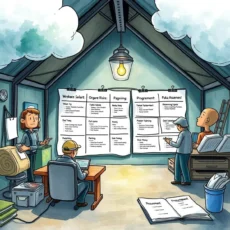
Precision in severity level assessment
Effectively categorize incidents with well-defined severity levels: Low, Medium, or High. By classifying incidents accurately, your team can prioritize resources and focus on critical threats. This feature ensures that your remediation planning is aligned with the urgency required for each incident.

Detailed root cause analysis integration
Input comprehensive summaries of root cause analyses to identify underlying issues quickly. Understanding what caused an incident helps inform corrective actions that prevent recurrence. This feature equips your team with the insights needed to develop effective long-term strategies for incident management.

Proposed remediation actions documentation
Easily document potential solutions and proposed actions tailored to each incident case. By inputting specific remediation suggestions during the planning phase, you create clarity on next steps and responsibilities, which bolsters team collaboration and accountability in addressing security shortcomings.

Assignment of responsible team members
Clearly outline who is responsible for managing remediation efforts by entering specific individuals or teams in charge. This feature facilitates transparent communication and accountability within your organization as it ensures that everyone knows their roles in resolving incidents efficiently.

Set clear expectations with completion dates
Insert expected completion dates for proposed actions to maintain timeline visibility throughout the remediation process. Establishing deadlines promotes urgency while providing a clear target for your team’s efforts and helps track progress effectively toward resolution completion.

Lessons learned documentation for continuous improvement
Capture insights from each incident by documenting lessons learned in designated notes fields. Analyzing past experiences cultivates a culture of learning within your organization, strengthening future preparedness and refining strategy formulation as you encounter new challenges over time.
Additional information
Best for: Incident Response Strategist, Remediation Planner, Information Security Analyst, Cybersecurity Incident Manager, Threat Remediation Specialist